Andrew Moor Associates supplies eleven architectural glass techniques, from
traditional stained glass to inkjet-printed façades. Each page explains how the glass is made,
where it performs best and what to consider before you specify it, with project examples and a
clear route to talk to our team. After 35 years of designing, manufacturing and installing
glass, we choose the technique to suit the building, never the other way round.
The eleven techniques
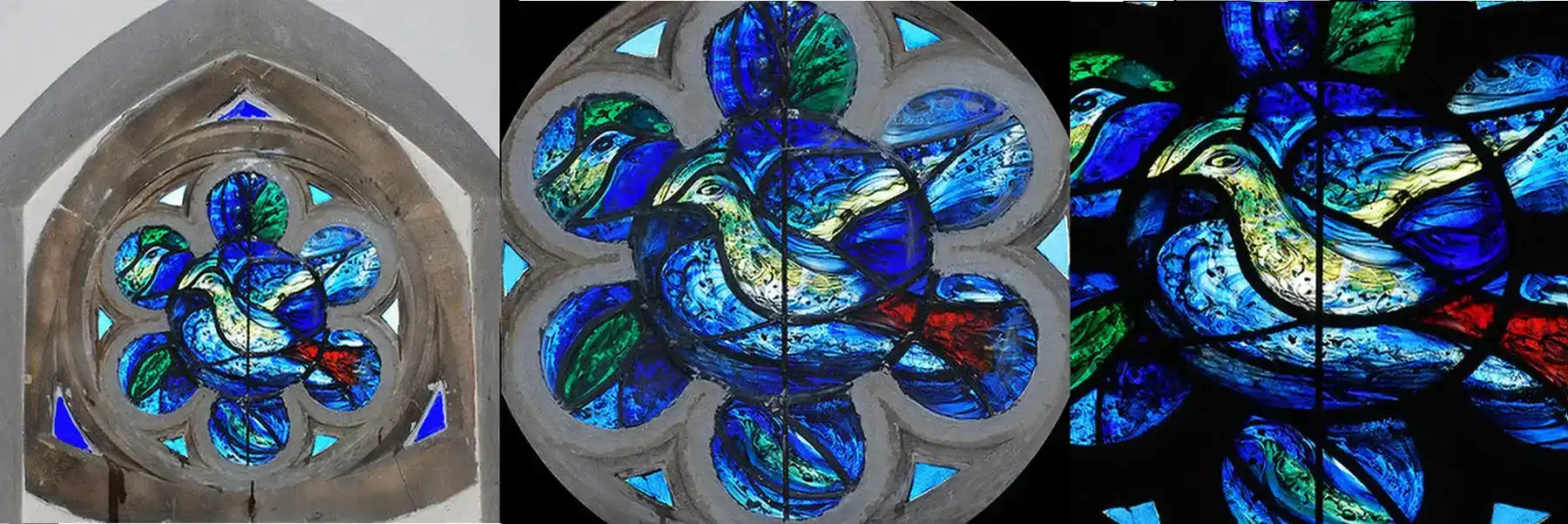
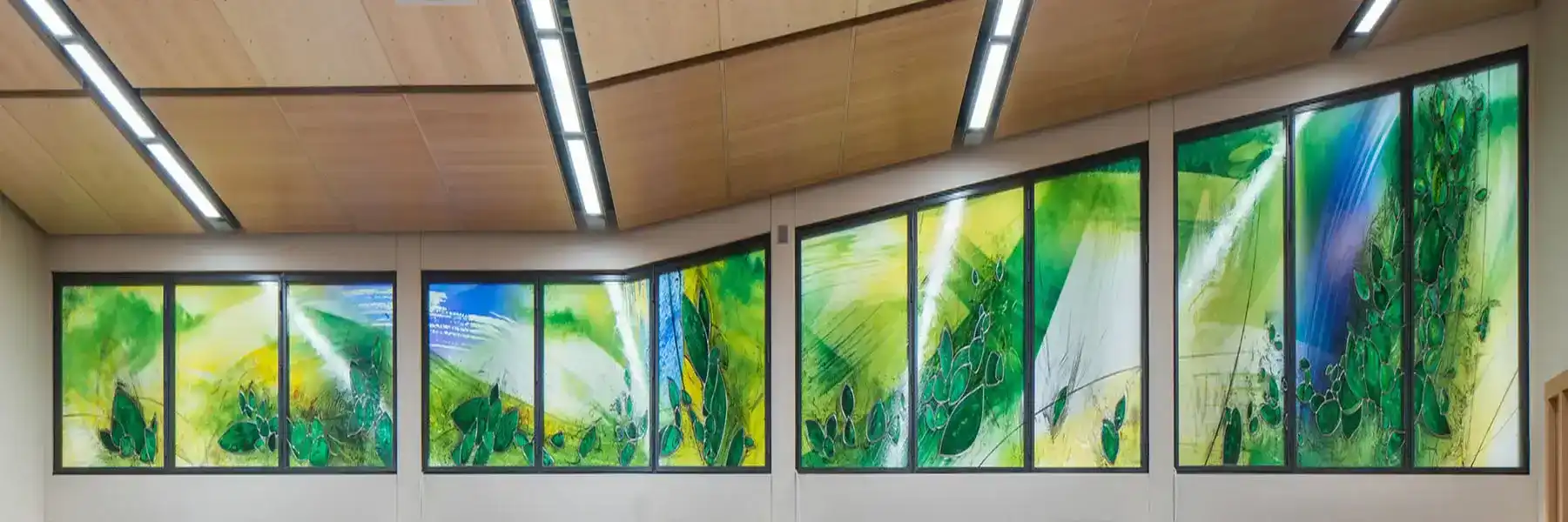
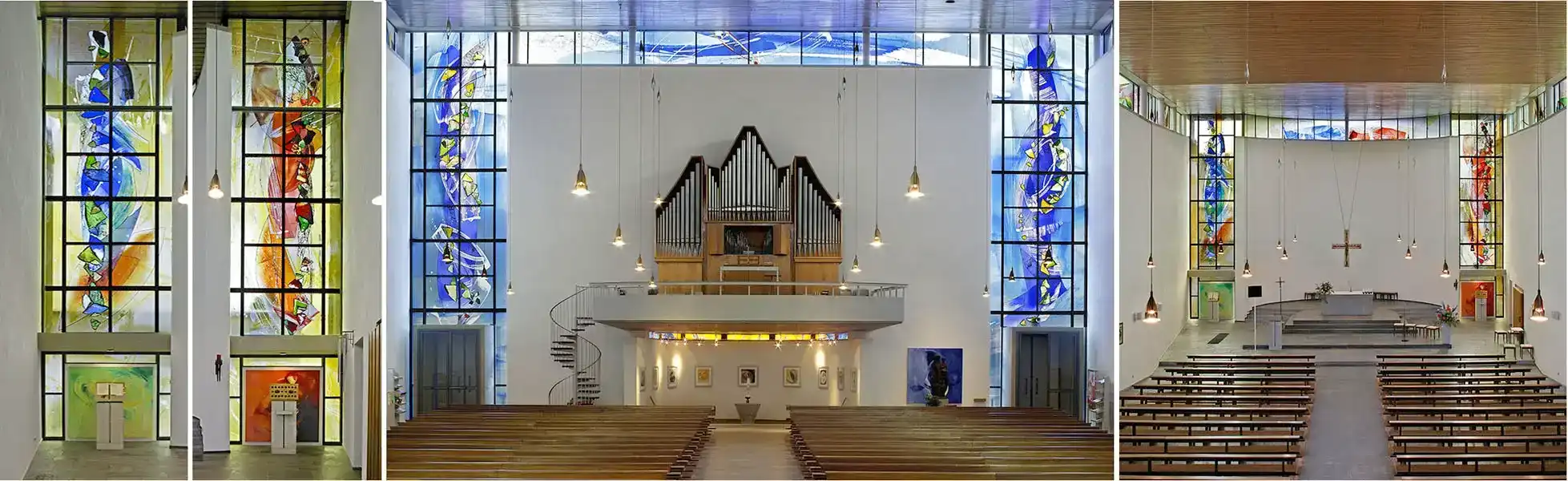
Stained glass
mouth-blown, hand-painted and leaded glass, ideal for sacred, heritage and
contemporary interiors.
Laminated antique glass
mouth-blown glass laminated to float glass for rich colour, larger panels and no lead
lines.
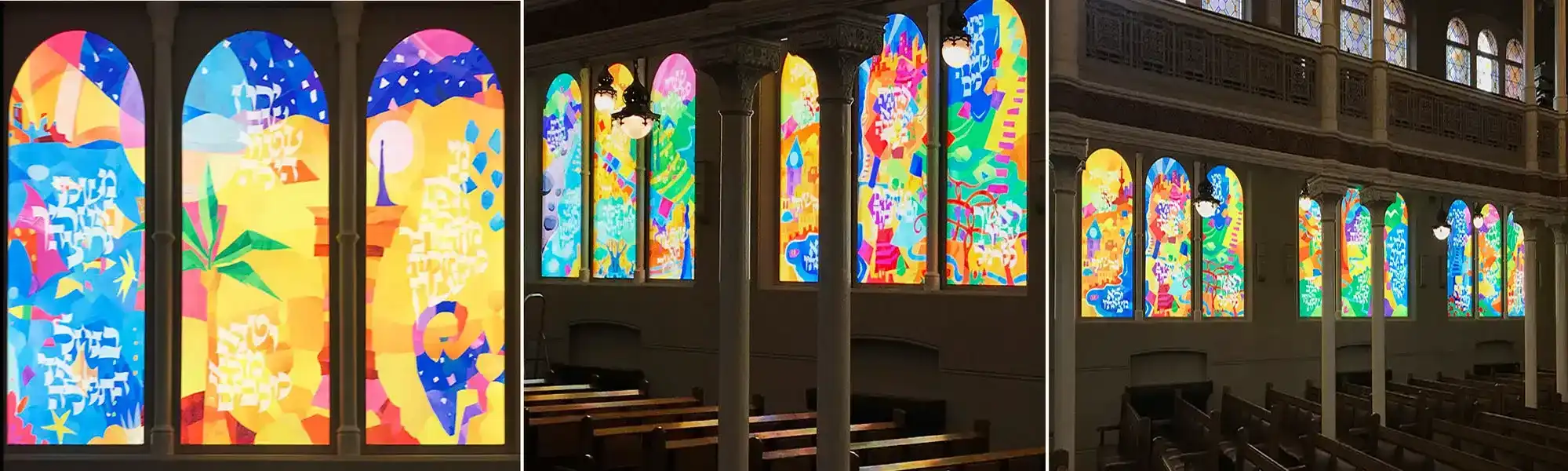
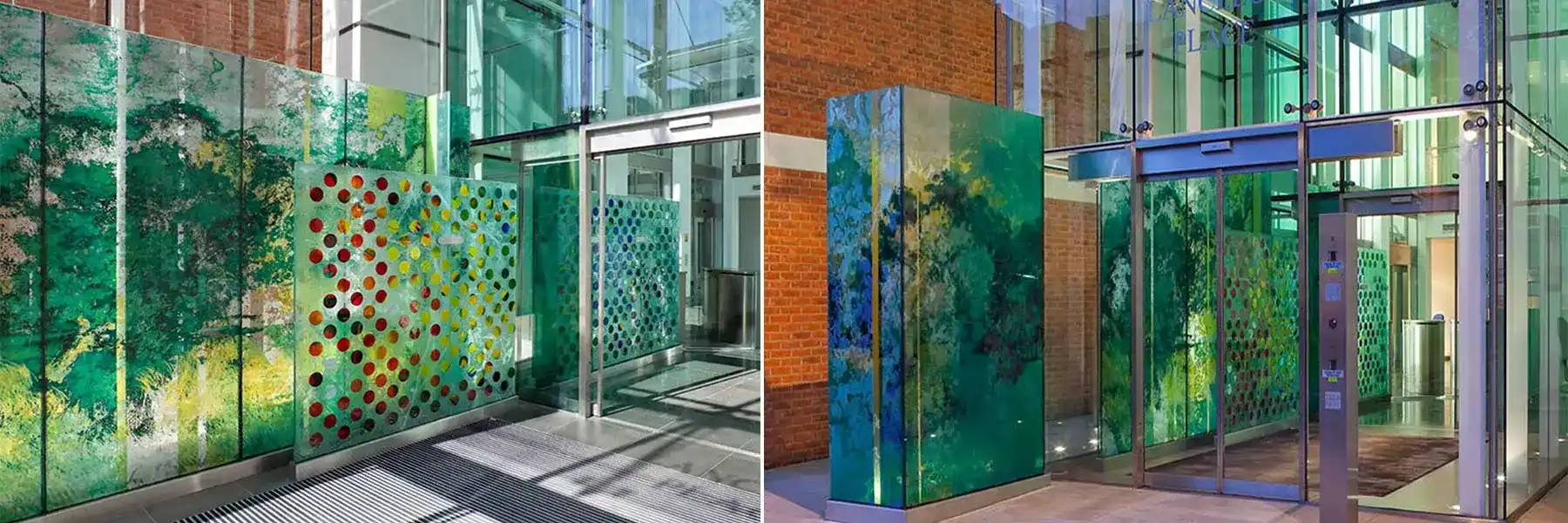
Transparent enamels
luminous colour, screen-printed or airbrushed, then fired and toughened for lasting
results.
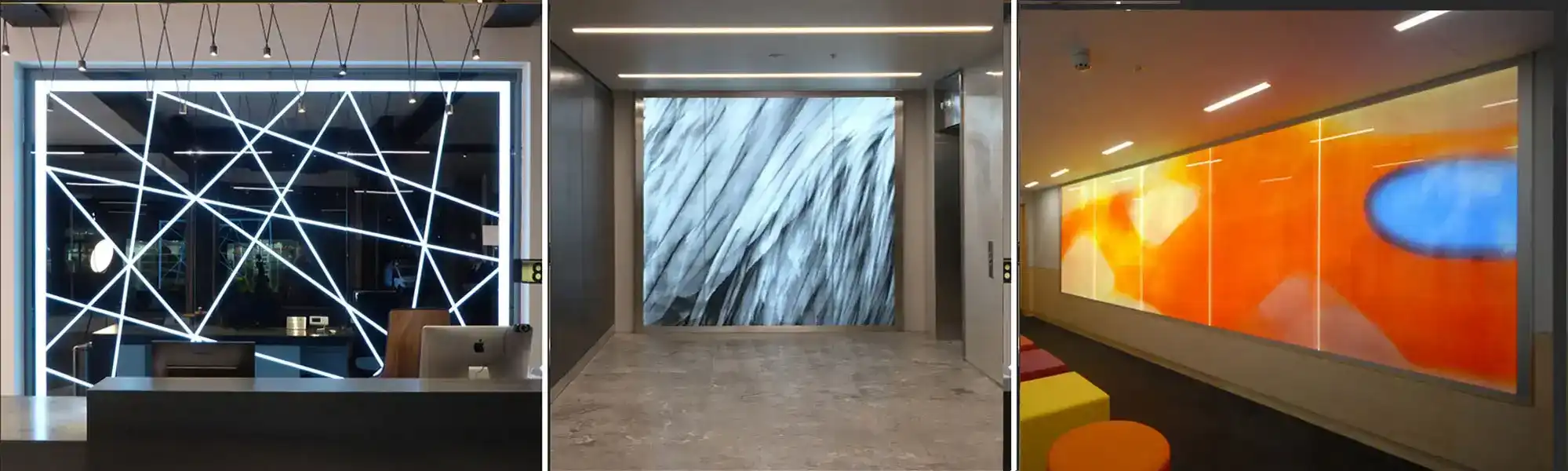
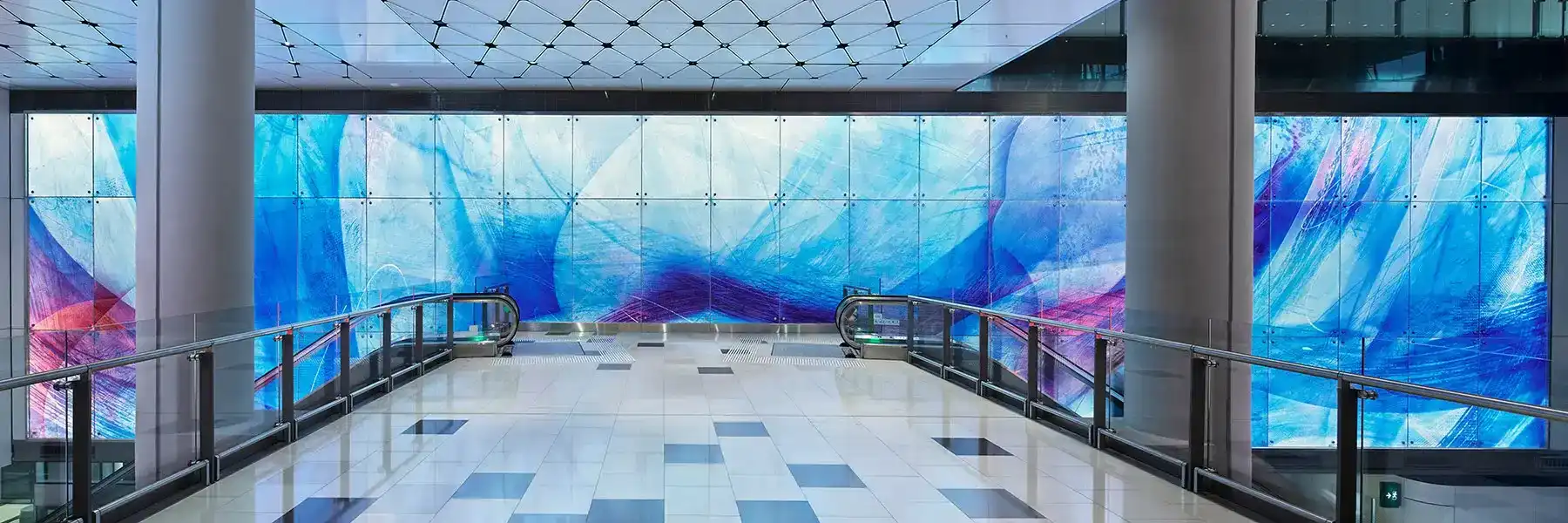
Opaque enamels (fritted glass)
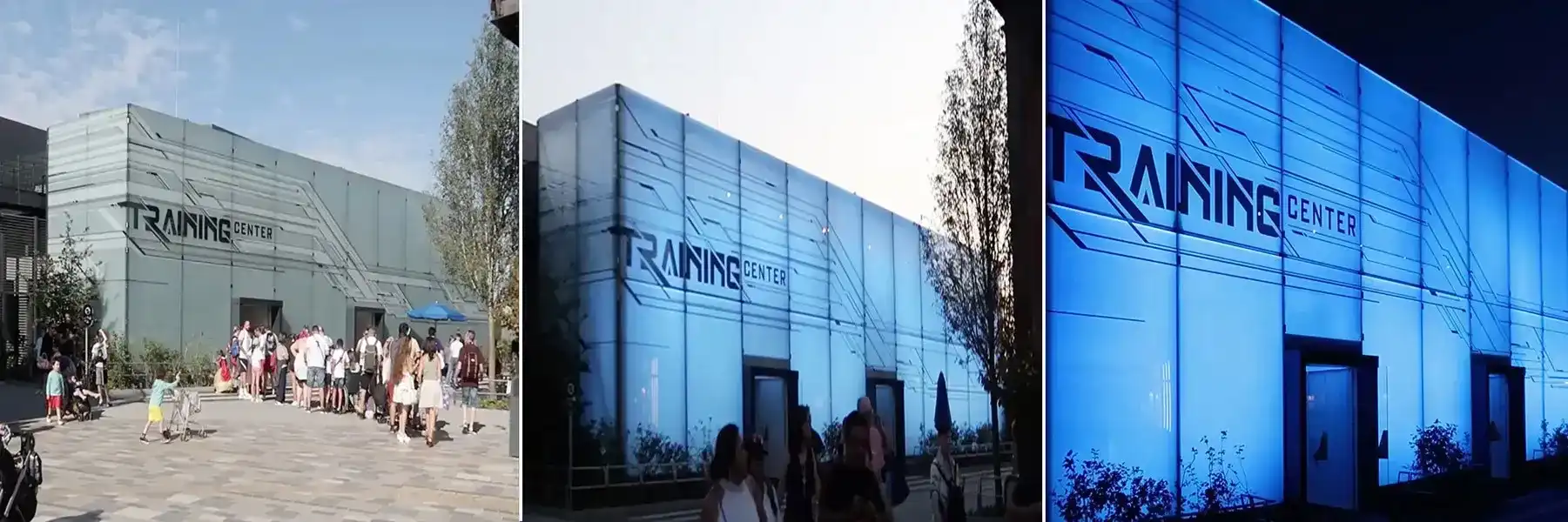
durable, predictable colour in almost any shade, visible inside and out and ideal for
façades.
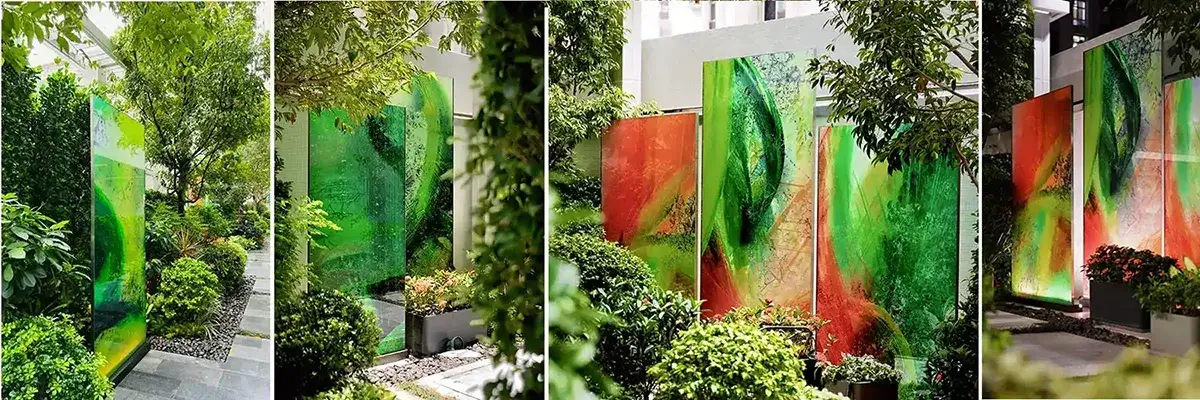
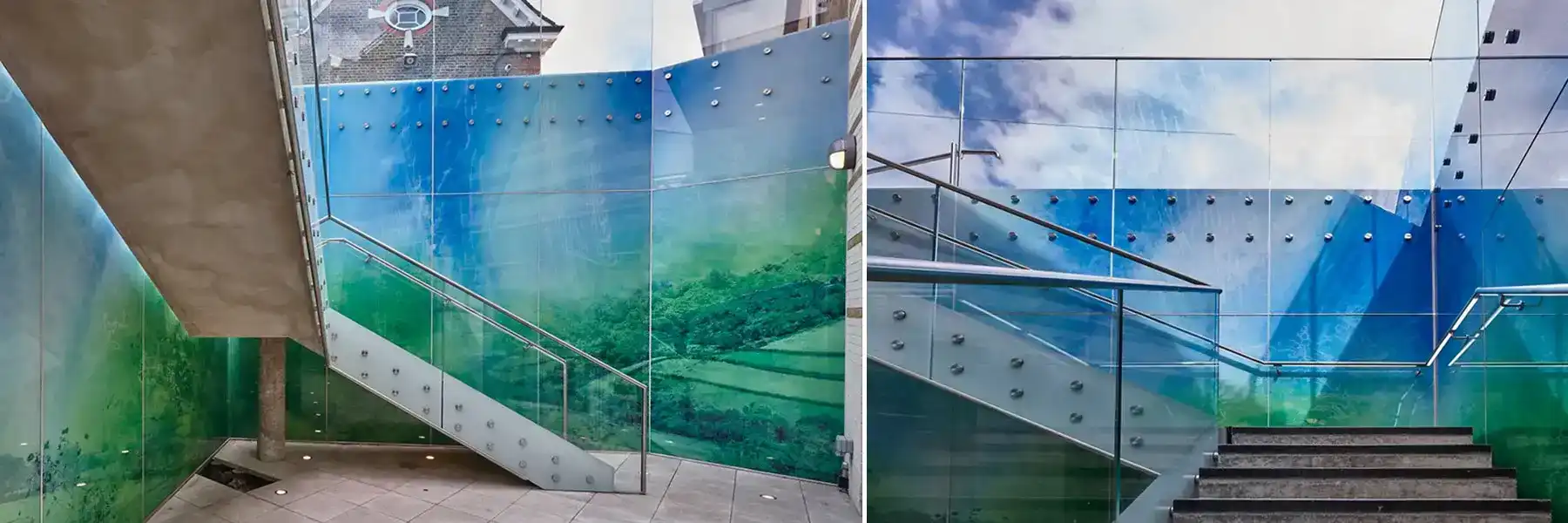
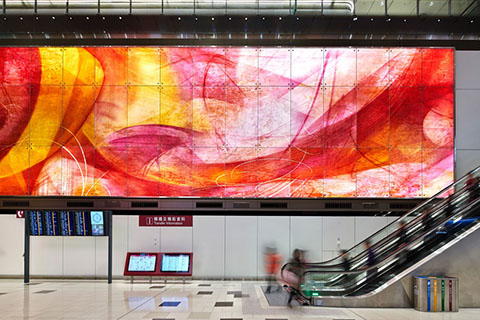
Digital opaque enamels
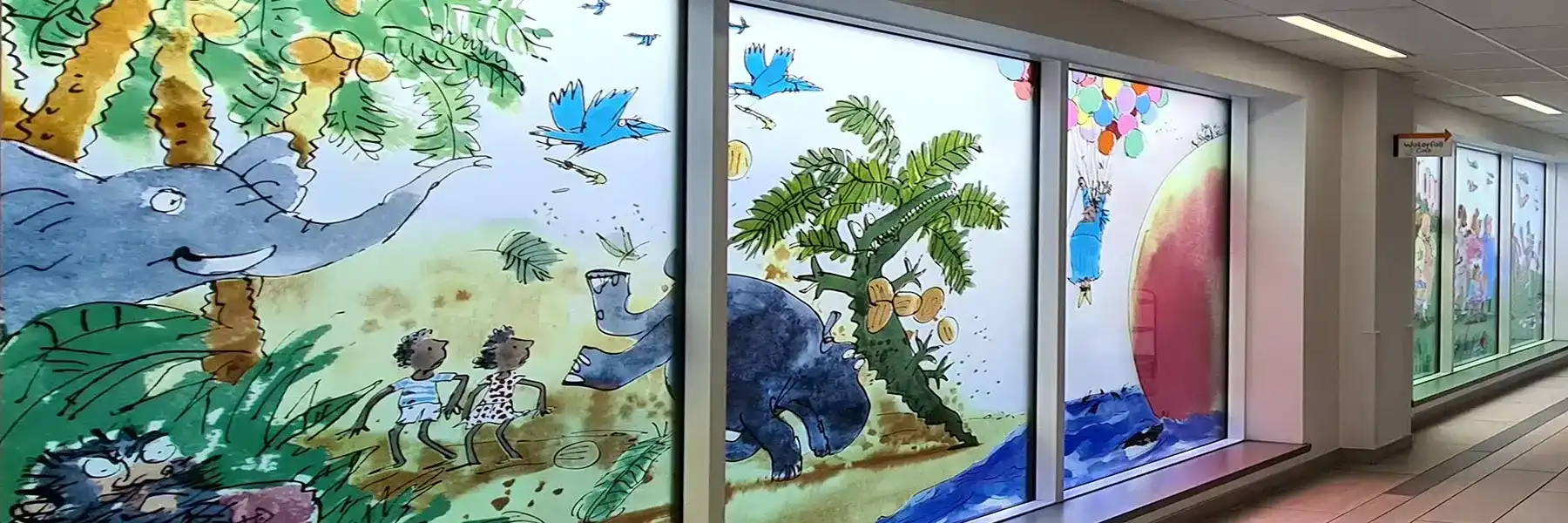
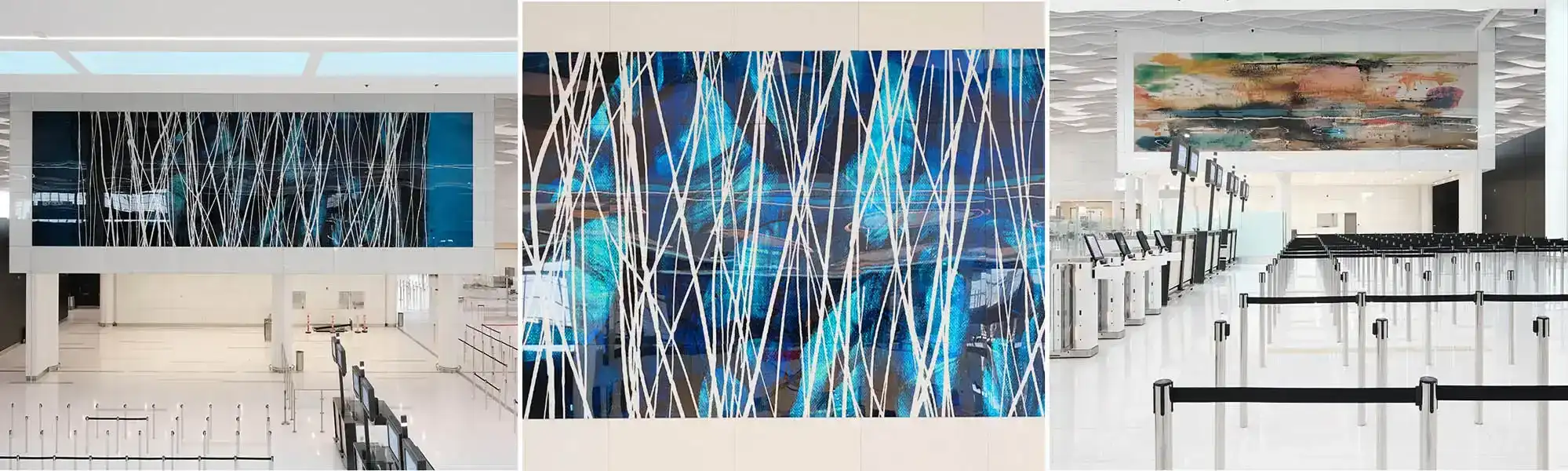
inkjet multicolour imagery, permanently fired, at lower cost than screen-printing for
detailed work.
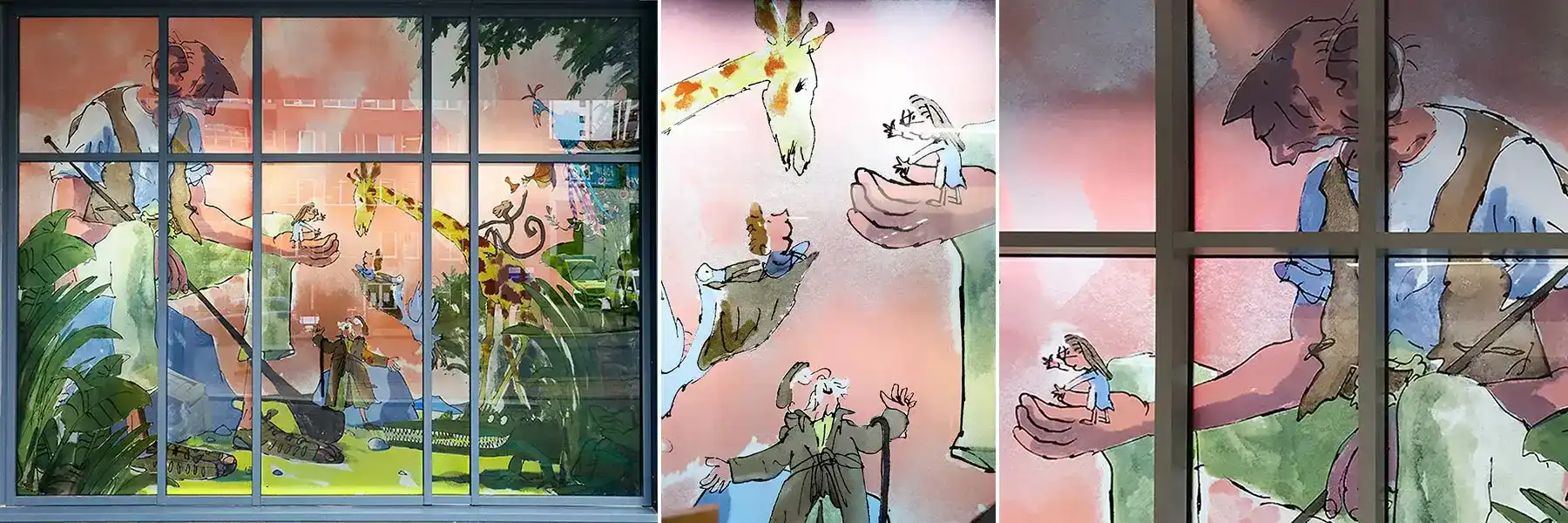
Digitally printed interlayers
printed film sealed between two panes of glass, protecting bold colour from
daylight.
Resin painted glass
sandblast-carved surfaces filled with transparent resin colour for bespoke feature
pieces.
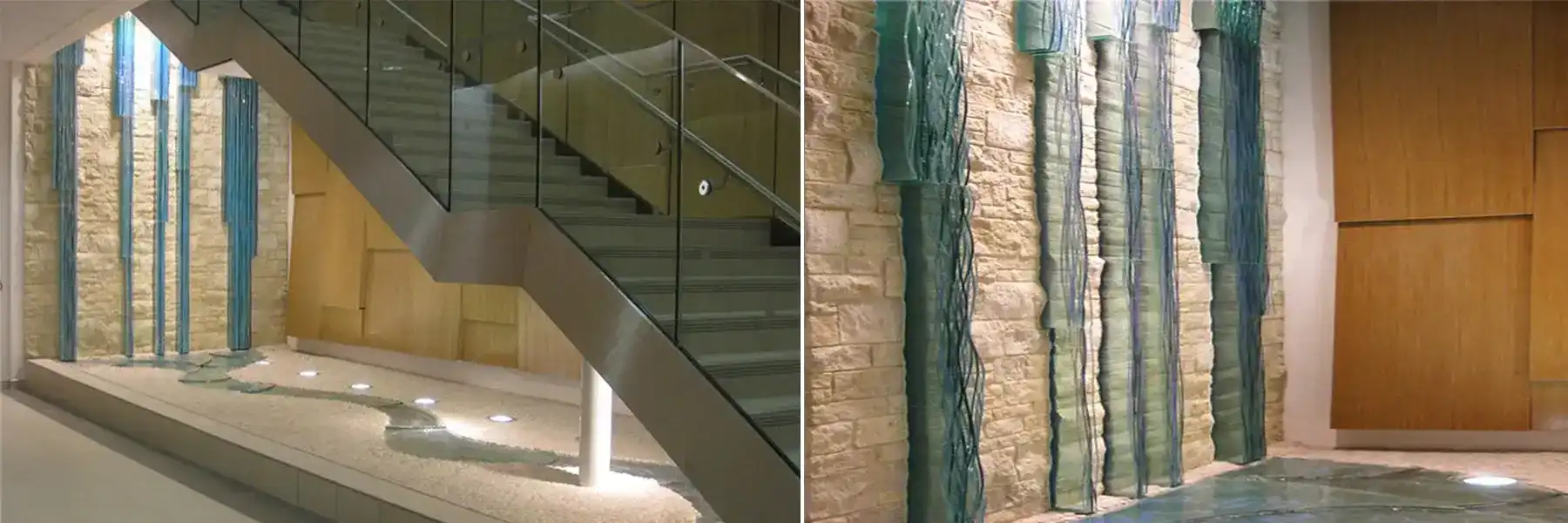
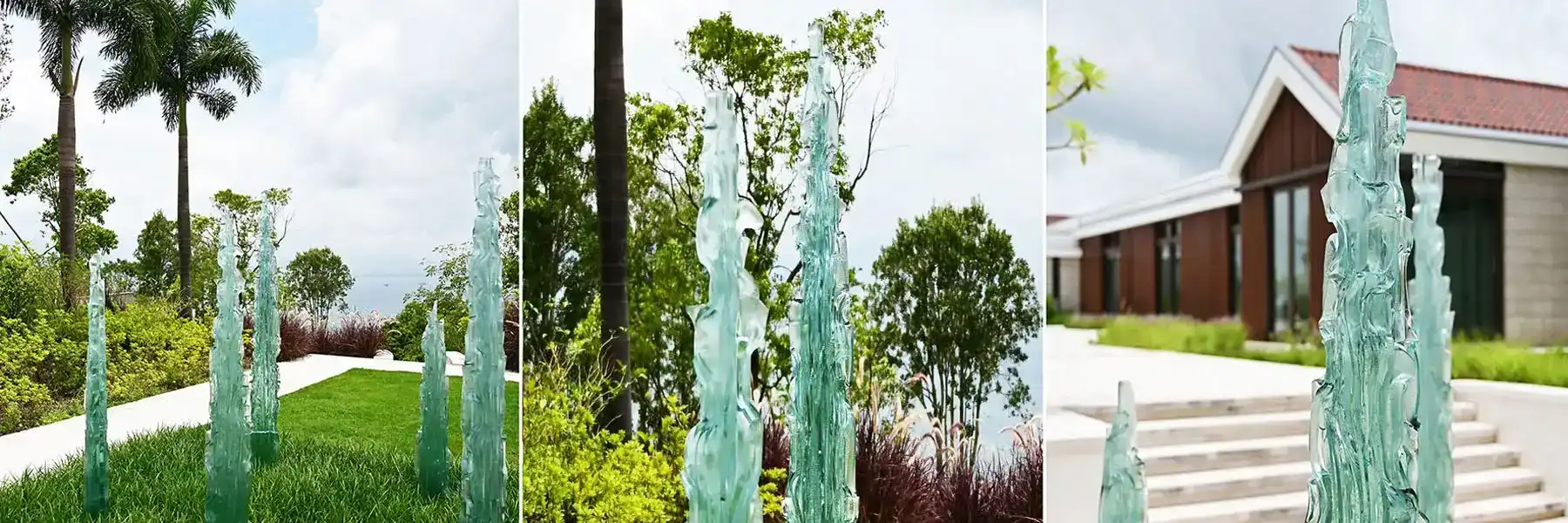
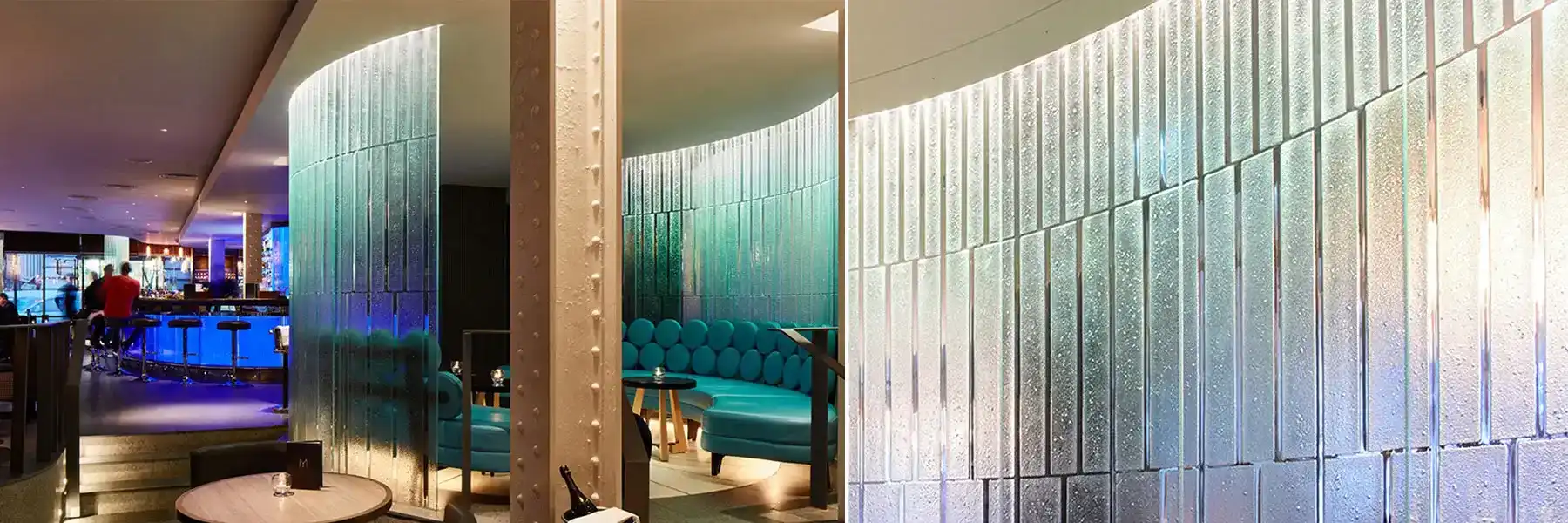
Slumped glass
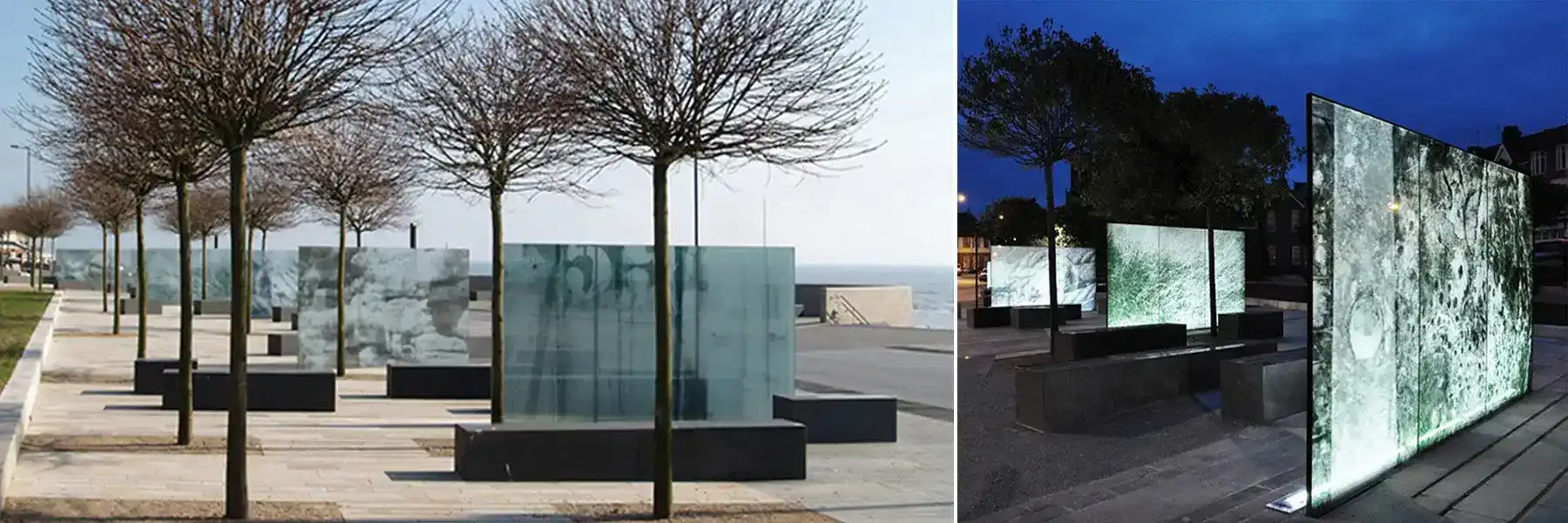
glass heated over a mould into textured, organic forms that can be toughened.
Fused glass
layered coloured and float glass fused into sculptural, textured panels.
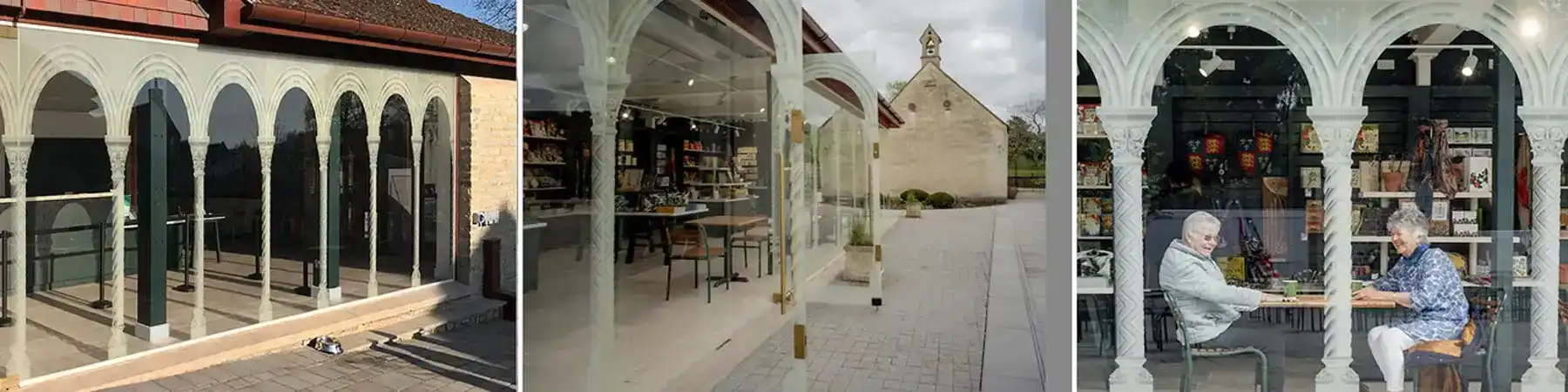
Etched glass
acid-etched or sandblasted patterns and carved relief for screens, doors and
partitions.
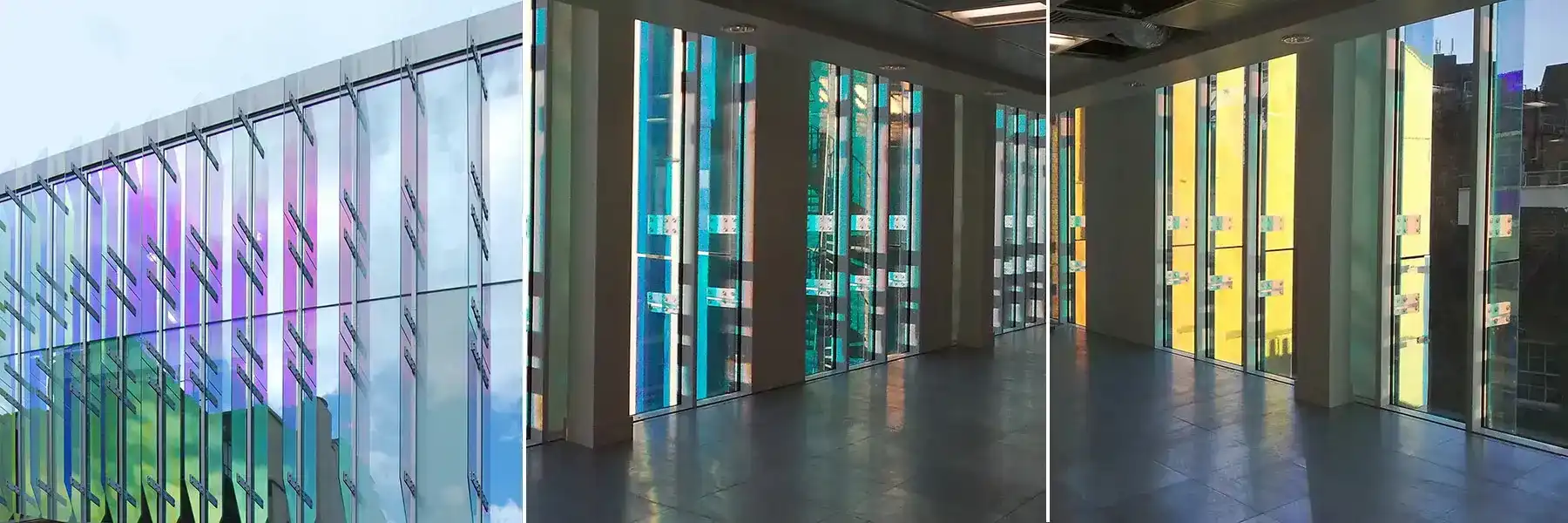
Dichroic glass
colour-shifting glass that changes with light and viewing angle, for striking
installations.
Matching technique to project
For façades and cladding, fired enamels, fritted glass and digital opaque enamels offer durable
colour. Screens and partitions suit etched, resin painted or printed glass. Sacred spaces often
call for stained or laminated antique glass, while sculptural features and hospitality interiors
suit fused, slumped and dichroic glass.
Comparing durability, cost and visual effect
Durability:
fired enamels, etching, fusing and slumping are permanent parts of the glass,
while laminated interlayers shield printed colour.
Cost:
digital printing costs less than screen-printing for detailed multicolour imagery,
whereas handcrafted techniques such as stained glass involve more studio time.
Visual effect:
dichroic, fused and slumped glass give the most dramatic effect, and fritted glass
the most consistent colour.
Our process
Every technique follows the same three stages: design, manufacture and installation. We agree
concepts and samples with you, make the glass, then install it, advising throughout on
toughening, laminating and building regulations. One accountable team means fewer surprises on
site.